
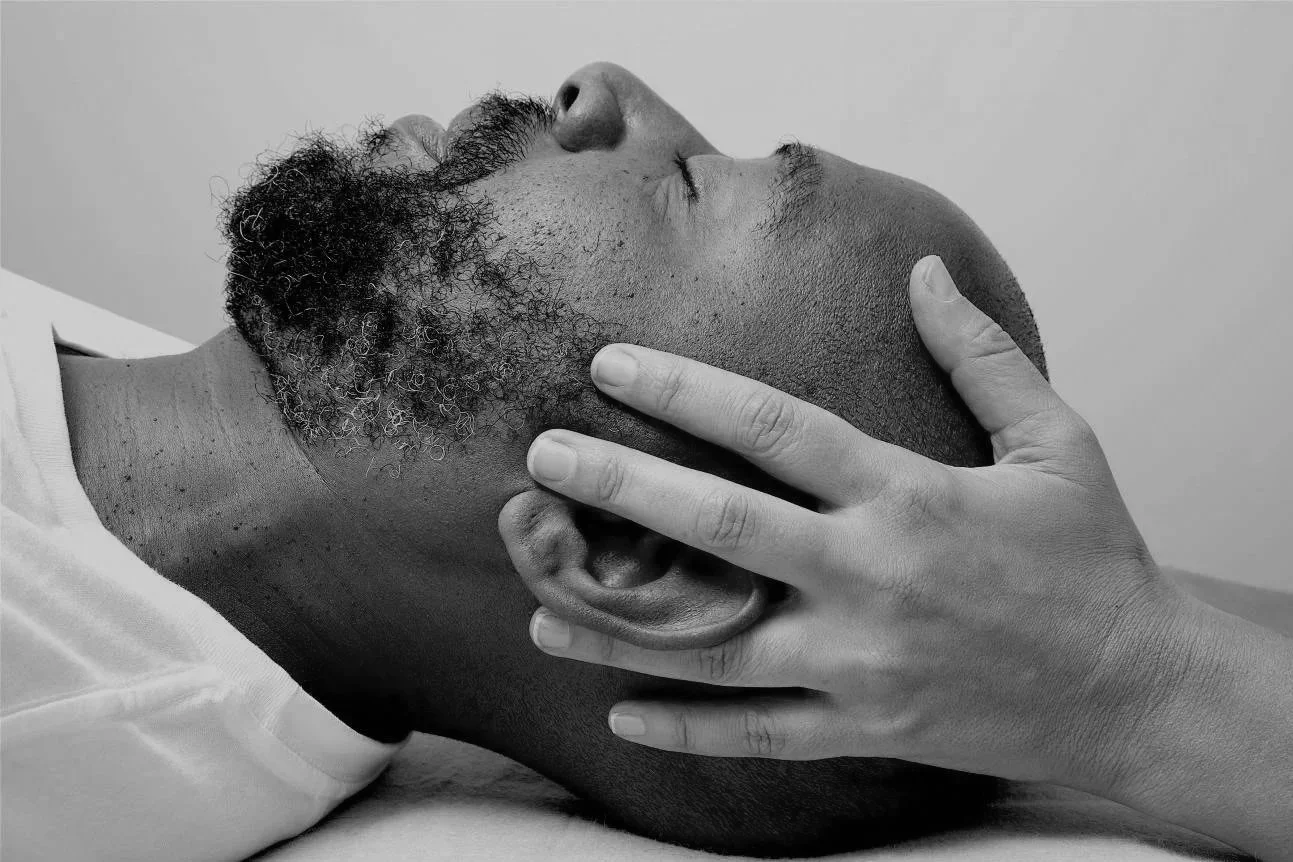
Gentle, hands-on therapy to support your body’s natural healing response
PENZANCE, CORNWALL
What is Craniosacral Therapy?
Craniosacral Therapy is a non-invasive process that works through gentle touch to release stress, disturbance, injury and deep-seated trauma.
As a holistic technique craniosacral therapy works through various levels of the body influencing the musculoskeletal, nervous, cardiovascular, circulatory and immune systems in addition to the organs, tissues and fascia, allowing the body's self-healing mechanisms to relieve diseases, symptoms and root causes. Sessions are slow, gentle, and deeply restorative, offering space for your body to rebalance in its own time.
Practiced by Healthcare Professionals
Craniosacral therapy is widely used by a range of qualified healthcare practitioners, including osteopaths, doctors, dentists, chiropractors, physiotherapists, occupational therapists, naturopaths, homeopaths and midwives.
Integrated Healthcare
As a gentle, non-invasive approach cranio-sacral therapy encourages the body's natural healing response by releasing tension and restoring balance in the craniosacral system: the membranes, cerebrospinal fluid surrounding the brain and spinal cord, and the subtle fluidic field that supports the body's formation, development and function making it an ideal accompaniment to other forms of healthcare.
My Approach
Based on attentive listening and a light touch, my clinical practice supports individuals and families experiencing stress, pain, fatigue, emotional overwhelm, and the effects of injury or trauma.
Conditions and Symptoms
As a complementary therapy craniosacral therapy works alongside conventional medical treatment, offering a wide-range of supportive applications for both physical and emotional wellbeing and across many stages of life.
-
Feeling stuck in fight-or-flight mode
Hypervigilance or being easily startled
Trouble feeling grounded or safe in the body
Difficulty relaxing after past stressful experiences
-
Persistent muscle tension linked to stress
Feeling “on edge” or unable to relax
Stress-related headaches or jaw clenching
Emotional exhaustion
Feeling overwhelmed
Chronic stress with low resilience
General fatigue when stress-related factors are present
-
Life Stage Changes
Starting university or college
Graduating & entering work life
Reassessing life direction
Retirement and loss of routine
Empty nest after children leave home
Work & Career Changes
Starting a new job
Promotion with added pressure
Redundancy or job loss
Career change or launching a business
Returning to work after burnout or parental leave
Family & Relationship Changes
Marriage or engagement
Separation or divorce
Becoming a parent
Fertility journey stress
Caring for ageing parents
Blended family adjustments
Health-Related Transitions
Recovering after illness (e.g., Meningitis)
Adjusting to a new diagnosis
Menopause / perimenopause changes
Lifestyle changes after chronic stress
Home & Environment Changes
Moving house
Relocating city/country
Downsizing
Living alone for the first time
Settling into a new community
Loss & Identity Changes
Bereavement
End of a long-term relationship
Children growing independent
Loss of former identity after illness or career change
Spiritual or personal growth periods
-
Rheumatoid Arthritis (RA)
Lupus (SLE)
Hashimoto’s Thyroiditis
Multiple Sclerosis (MS)
Psoriasis / Psoriatic Arthritis
Crohn’s Disease / Ulcerative Colitis
Sjögren’s Syndrome
Ankylosing Spondylitis
-
Menstrual Health
Painful periods
PMS / PMDD-related stress
Irregular cycles / hormonal stress
Fertility Journey
Trying to conceive
IVF / Assisted reproduction support
Miscarriage
Menopause & Midlife Reproductive Changes
Perimenopause
Menopause transition
Pelvic / Reproductive Conditions
Endometriosis
Polycystic Ovary Syndrome (PCOS)
Recovery after pregnancy loss or fertility challenges
-
Prenatal (Pregnancy)
Pregnancy stress & anxiety
Back, neck & pelvic tension
Nervous system regulation
Preparation for birth
Perinatal (Birth / Early Postpartum)
Recovery after birth
Birth trauma / difficult birth experience
Feeding & carrying strain
Postpartum identity transition
Sleep deprivation stress
-
Babies / Infants
Settling difficulties
Sleep difficulties
Feeding tension
Following a difficult or assisted birth
General body tension
Preference for one side
Toddlers & Young Children
Big emotional changes - starting nursery, arrival of a new sibling, house move, separation anxiety
Sleep challenges
Sensory overload / busy nervous system
Growing pains and general tension
School-Age Children / Teens
School stress and anxiety - exam stress, friendship worries, performance pressure, difficulty switching off
Headaches / jaw clenching / tension
Confidence
Emotional regulation support
-
TMJ Dysfunction (jaw tension)
Bruxism (teeth grinding / clenching)
Post-dental procedure tension
Orthodontic work (braces / aligners)
Headaches & facial pain related to jaw tension
Post-surgical dental recovery (e.g., wisdom teeth)
-
Whiplash (neck injury from accidents)
Back injuries (strains, sprains, or chronic tension post-injury)
Sports injuries (post-strain recovery)
Post-surgical recovery
Head injuries / concussion recovery (adjunct support)
Fracture recovery after immobilisation
Repetitive strain injury (RSI) - frozen shoulder, tennis elbow
Chronic pain after injury
Scar tissue & post-trauma body tension
Accidents / falls (general recovery support)
-
Orthopaedic surgery - knee / hip replacement, shoulder surgery, fracture repair (post-cast removal)
Spinal surgery or back procedures
Abdominal surgery - appendectomy, gallbladder surgery, hernia repair, C-section
Gynaecological / pelvic surgery - hysterectomy, endometriosis surgery, ovarian procedures
Dental or Maxillofacial surgery - wisdom tooth extraction, jaw surgery
Cosmetic or Reconstructive surgery - breast surgery, facial surgery, skin graft procedures
Cancer-related surgery - tumour removal, mastectomy
-
Musculoskeletal strains and sprains - neck strain after sleeping awkwardly; back strain from lifting, shoulder or ankle sprains, plantar fasciitis
Post-injury pain (early stage recovery) - whiplash, sports injury flare-ups, minor accidents or falls
Post-surgical acute discomfort
Dental or jaw pain flare-ups
Fibromyalgia
Chronic back pain
Neck and shoulder pain
Tension headaches and migraine patterns
Neuropathic or nerve-related pain - sciatica, carpel tunnel syndrome (CTS), stroke rehabilitation
Pelvic pain conditions - SI joint dysfunction
Arthritis - Rheumatoid Arthritis, Osteoarthritis stiffness
-
Location
I provide a weekly practice just a short walk from the clear turquoise waters of Mount’s Bay, often frequented by dolphins and guarded by the medieval island fortress-chapel of St. Michael’s Mount.
Get in touch
Find out how treatment may support your wellbeing.